History of PIA - Pakistan International Airlines
Last visit was: Sun Aug 01, 2010 4:19 am It is currently Sun Aug 01, 2010 4:19 am

All times are UTC + 5 hours


 [ 6 posts ] 
Author Message
 Post subject: PIA ATR 42-500 Icing & Ice Removal - Photos by Aroosh
PostPosted: Wed Jan 28, 2009 3:44 am 
Offline
Site Admin
User avatar

Joined: Thu Aug 05, 2004 11:52 pm
Posts: 10159
Location: Pakistan
Here's a set of photos + info sent by First Officer Aroosh Naqvi (forum member AN).

Image
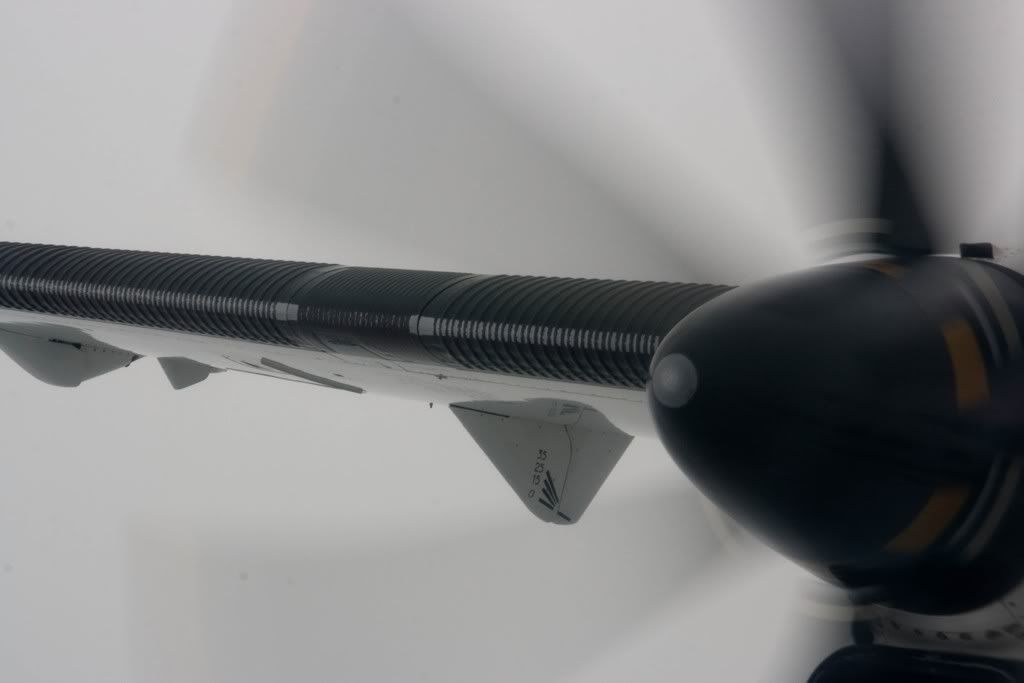
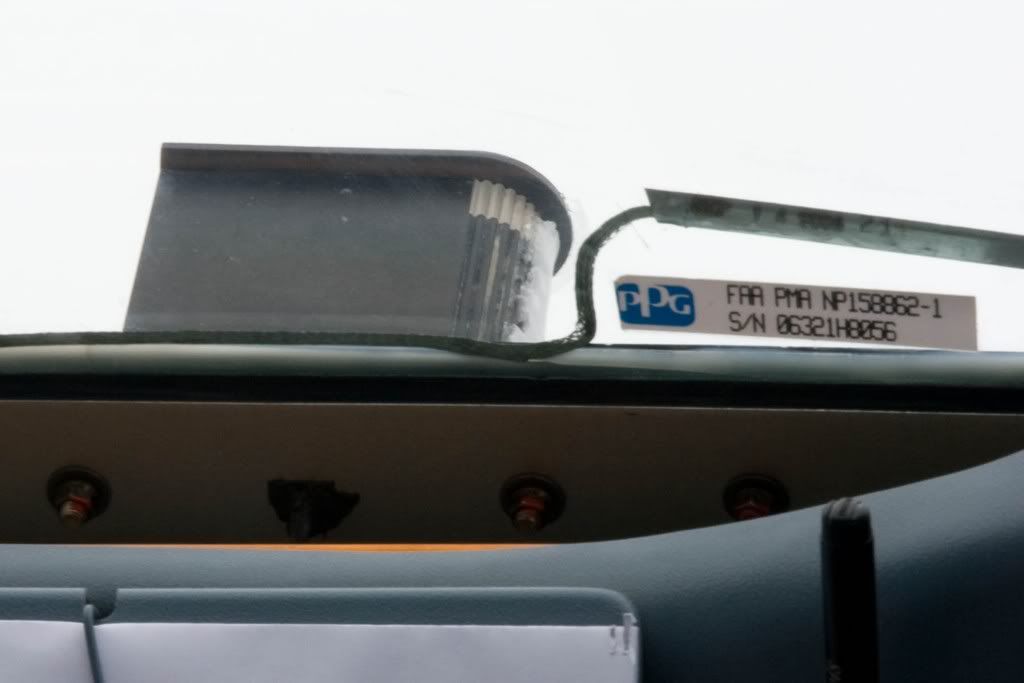
As the ATR, like most turboprop aircraft, flies at lower levels where moisture and temperatures are ideal, icing is one of the aircraft's biggest drawbacks. As illustrated here, we are passing through alot of moisture which upon contact with the aircraft skin freezes when the temperatures are near the freezing point.
Image
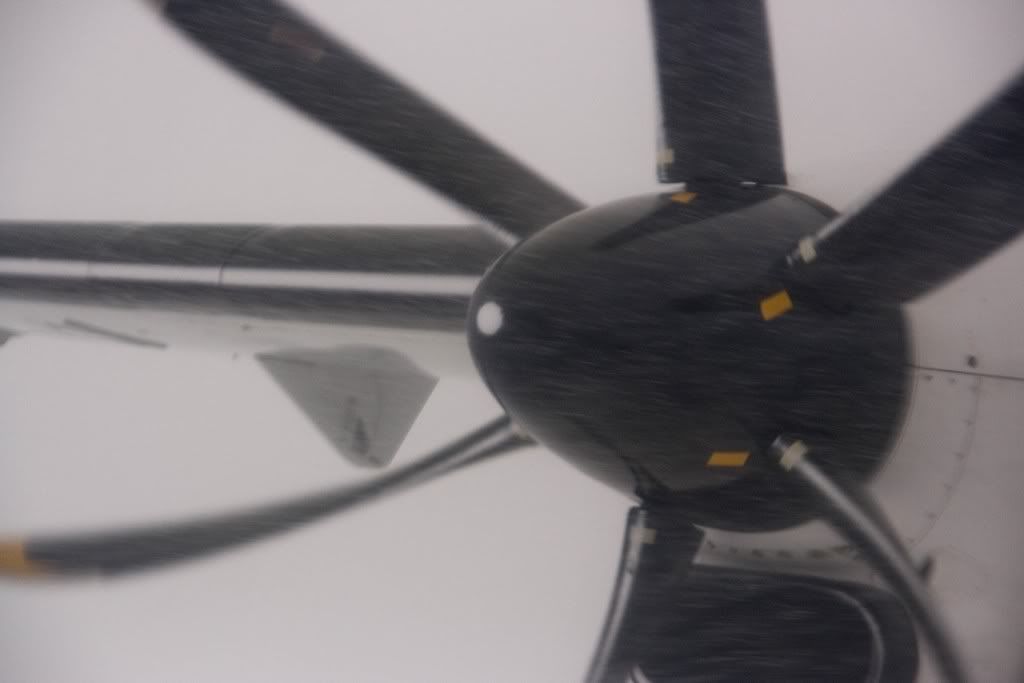
Hi shutter speed to freeze the prop shows ice begin to accumulate on the leading edge of the prop blades as well.
Image
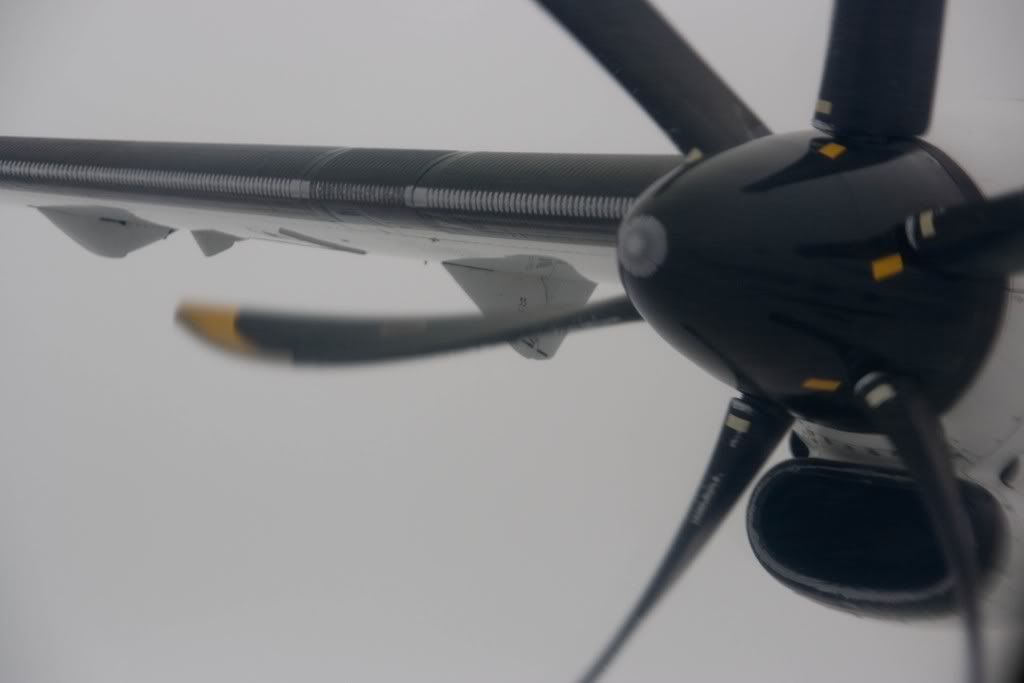
The initial ice buildup on the wing leading edge, spinner and engine intake.
Image

Image
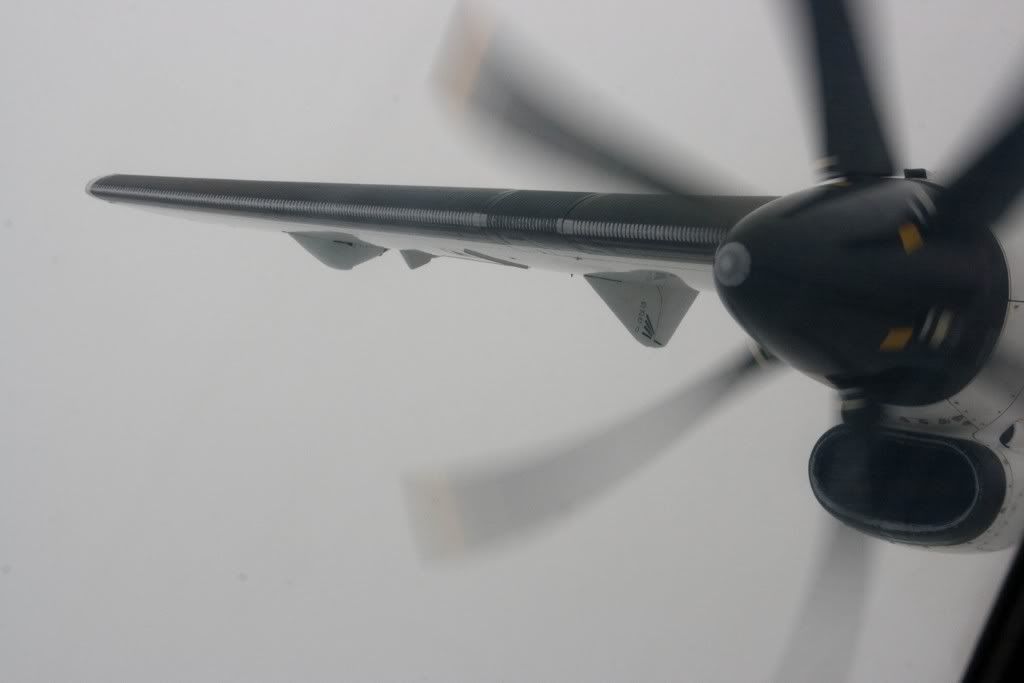
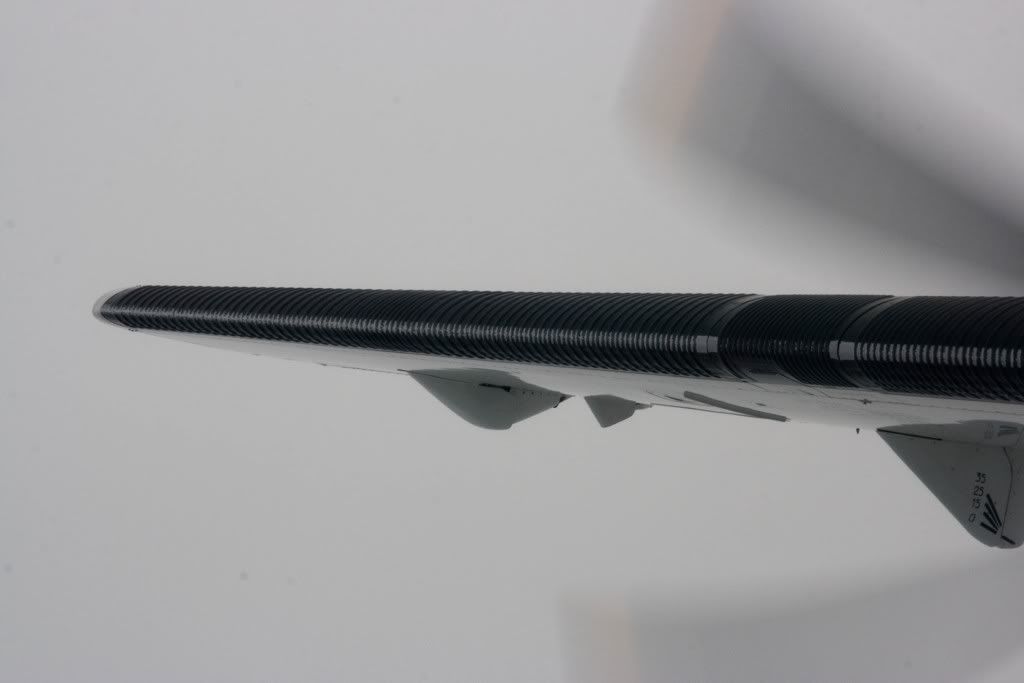
The aircraft is equipped with two defences against ice. Anti-Ice, which as the name suggest is there to prevent the development of ice primarily by heating areas particularly susceptible to ice accretion. This is the first defence, the second being De-Icing, which as the name suggests involves the removal of ice one it has accumulated on the aircraft. De-icing is usually done through the use of inflatable rubber boots which expand thereby breaking the ice. This can clearly be seen in these two images as alternative areas of the boots on the wing leading edge expand causing the ice to crack and fall off.
Image
The aircraft is equipped with two defences against ice. Anti-Ice, which as the name suggest is there to prevent the development of ice primarily by heating areas particularly susceptible to ice accretion. This is the first defence, the second being De-Icing, which as the name suggests involves the removal of ice one it has accumulated on the aircraft. De-icing is usually done through the use of inflatable rubber boots which expand thereby breaking the ice. This can clearly be seen in these two images as alternative areas of the boots on the wing leading edge expand causing the ice to crack and fall off.

Thank you Aroosh for sharing!

_________________
“Truth is generally the best vindication against slander.” - Abraham Lincoln

See you at:
Image


Top
  
 
 Post subject:
PostPosted: Wed Jan 28, 2009 4:12 am 
Offline
Registered Member
User avatar

Joined: Fri Mar 11, 2005 1:29 pm
Posts: 1527
Location: USA
You know Aroosh before looking at these pics from you I never really thought of icing as a problem in Pakistan. Obviously I was wrong. Does this phenomena pose any major threat to the ac, or is it a common occurrence on these type of birds??


Top
  
 
 Post subject:
PostPosted: Thu Jan 29, 2009 12:10 pm 
Offline
Registered Member

Joined: Sat Aug 07, 2004 12:05 am
Posts: 482
This phenomenon used to be responsible for alot of accidents till the 50's and 60's when aircraft were poorly equipped to handle icing, however most aircraft now have adequate ice protection, and this phenomenon is actually not as evident in Pakistan, due to warmer temperatures, as it is in colder climates where it is more prevalent.

_________________
http://airliners.net/search/photo.searc ... otmail.com

http://www.jetphotos.net/showphotos.php?userid=6279


Top
  
 
 Post subject:
PostPosted: Thu Jan 29, 2009 7:50 pm 
Offline
Registered Member

Joined: Tue Apr 19, 2005 11:31 am
Posts: 452
Location: n24e57
Very good pictures keep it up AN


Top
  
 
 Post subject:
PostPosted: Sat Jan 31, 2009 1:36 pm 
Offline
Registered Member
User avatar

Joined: Fri Mar 11, 2005 1:29 pm
Posts: 1527
Location: USA
AN wrote:
This phenomenon used to be responsible for alot of accidents till the 50's and 60's when aircraft were poorly equipped to handle icing, however most aircraft now have adequate ice protection, and this phenomenon is actually not as evident in Pakistan, due to warmer temperatures, as it is in colder climates where it is more prevalent.


Thanks Aroosh for the reply...


Top
  
 
 Post subject:
PostPosted: Sat Jan 31, 2009 1:47 pm 
Offline
Registered Member
User avatar

Joined: Sun May 01, 2005 5:09 pm
Posts: 2272
Location: Kuwait
nice pictures with very informative description.

I remember that during one of my recent trips to Lahore in nov/dec 2005, flying KU A310; the pilot was turning lights on and off during cruise stage and i hope this will be the similar case to see the wings if having any ice?

Once AN also mentioned the similar thing that they did while flying in night time and turning on the lights to see the wing condition.

anyhow, thanks for share. AN, i hope to have more interested details about aviation in future from your end.

_________________
Image


Top
  
 
 [ 6 posts ] 

All times are UTC + 5 hours


Who is online

Users browsing this forum: No registered users and 3 guests


You cannot post new topics in this forum
You cannot reply to topics in this forum
You cannot edit your posts in this forum
You cannot delete your posts in this forum

Jump to:  

AVIATION TOP 100 - www.avitop.com Avitop.com


Powered by phpBB © 2000, 2002, 2005, 2007 phpBB Group